Mobile Mammography Program
Background
Mammograms are a crucial part of every woman’s healthcare routine. Regular mammograms reduce the risk of dying from breast cancer by about 15% to 40%, depending on age and screening frequency. Amazingly, U.S. breast cancer mortality has dropped by 40% since 1990, largely due to increased use of mammography.
There are certain factors that cause women to not get mammograms: lack of insurance, living in a rural area, lack of transportation, lack of a primary health care, fear of discrimination.
15%–40%
40%
4,000+
patients per year
25
people per day on the mobile unit
Local Context
Under the leadership of Lisa Tito, M.D., fellowship-trained breast surgeon, Providence offers the top breast program north of the Golden Gate Bridge to the Oregon border, including genetic counseling, patient navigation services and the region’s only cancer survivorship program led by Jessica Les, M.D. With the only inpatient oncology unit north of Marin, robust oncology centers featuring the latest radiation technology and onsite nutrition for patients, Providence is the best place for any woman to get breast care. It is crucial that patients are connected with the best care from the moment they get their first screening.
The current demand for mammography exceeds our capacity at Santa Rosa Memorial Hospital and Petaluma Valley Hospital. Additionally, there is no 3D mammography available in Sonoma County north of Santa Rosa. 3D mammography is the standard of care, and provides much higher detail for breast images, making abnormal spots easier to see, especially for dense breasts. 3D mammography also lowers the number of false-positive results, meaning fewer patients get called back for unneeded tests.
The opportunity to improve access to mammography for our region
In response to the need to expand rural access to breast cancer screenings, Providence intends to launch the Mobile Mammography Program in Sonoma County, with a focus on North and South County. Led by Dr. Tito and Keegan Hovis, M.D., radiologist and medical director of breast imaging, the operations will be managed by the Providence Sonoma County imaging team, under the leadership of Aaron Thorne, executive director of operations for Sonoma County, and in consultation with Jen Ammons, NP, manager of Providence’s mobile health clinics.
Our goal is to provide screening mammograms for rural Sonoma County residents with limited access to 3D mammography, especially older, mobility-challenged individuals. Breast cancer screenings will be available to people of all income levels and insurance status. Patients can self-refer for screening mammograms, and if they require a follow-up diagnostic mammogram but do not have a primary physician, Monica Ferguson, M.D., will serve as their referring physician. Elsewhere, patients must have a primary doctor to be referred to for a diagnostic mammogram.
We will work with local healthcare partners to promote screenings, including Healthy Petaluma, the Healdsburg Healthcare District, and Aliados, a network of Federally Qualified Health Centers (FQHC’s).
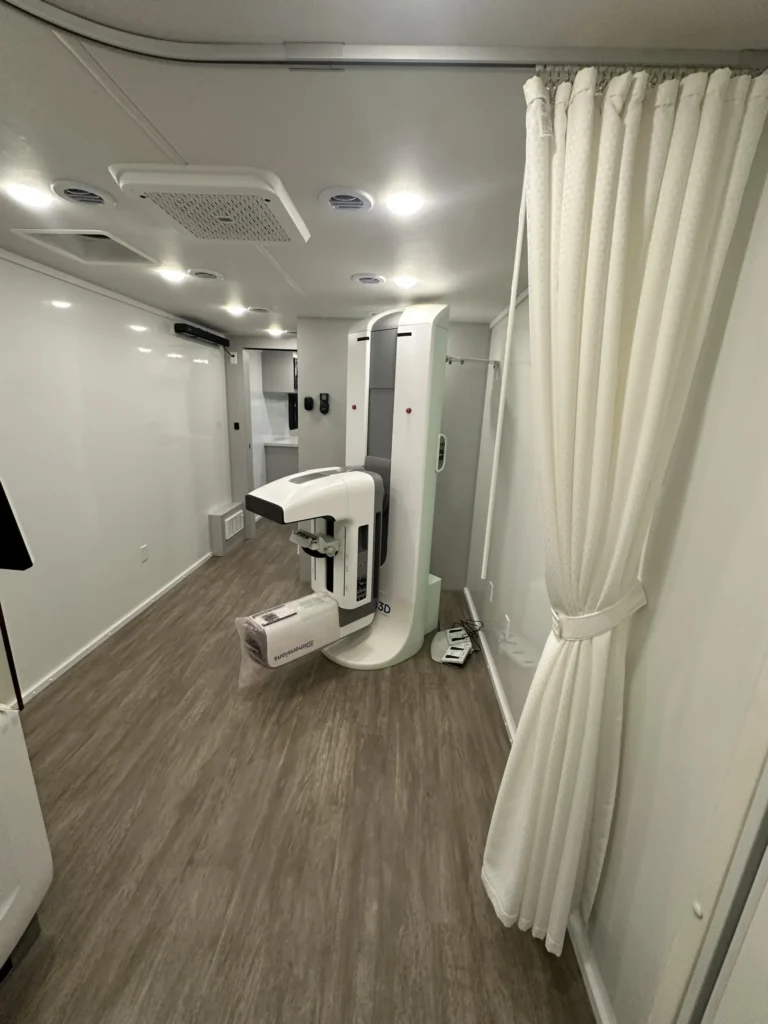
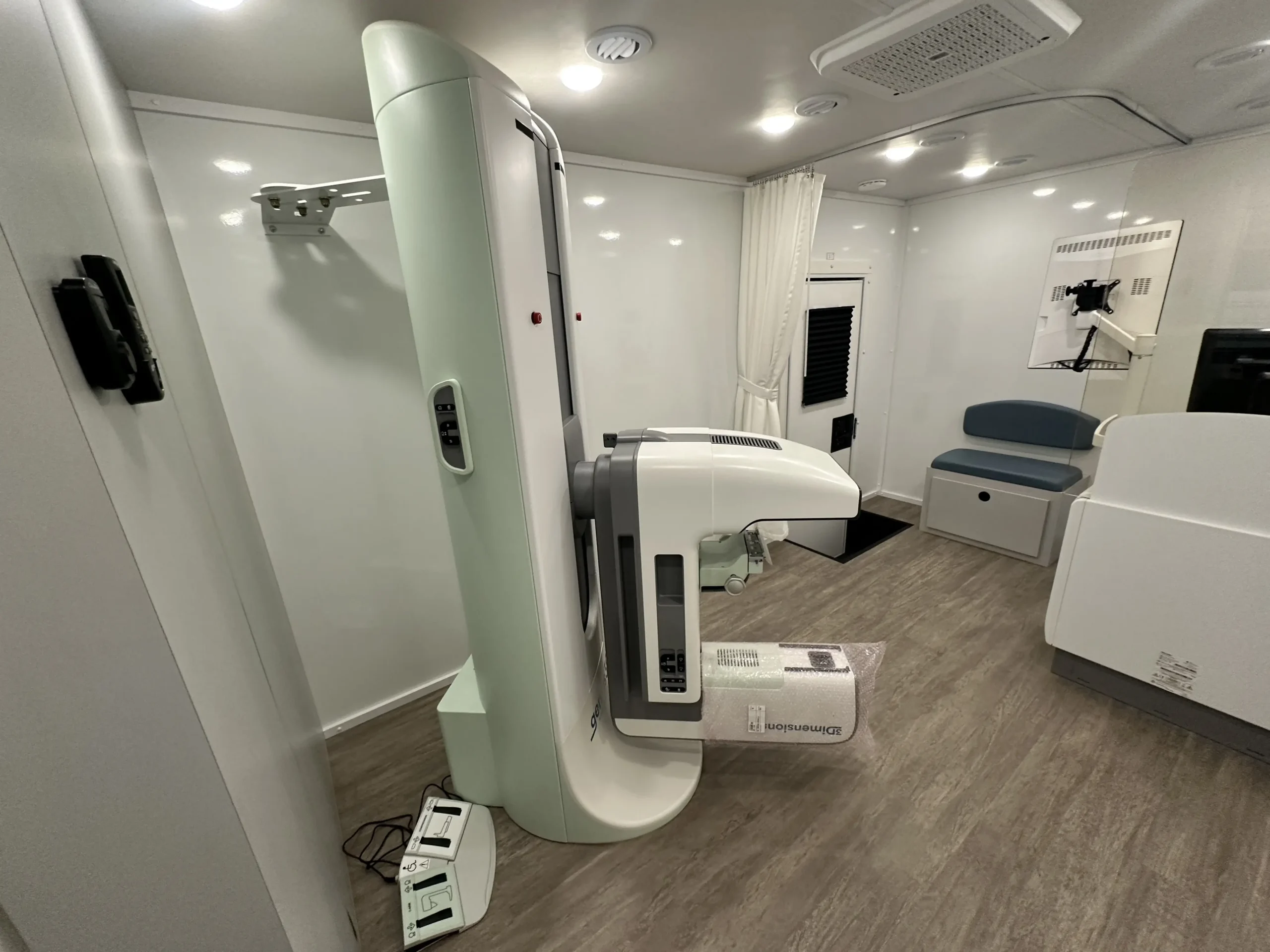
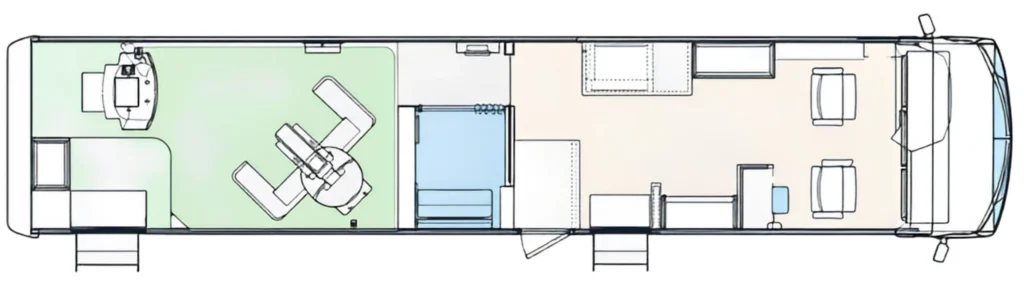
Screening quality will be the same as in our fixed site imaging center, using the latest Hologic 3D mammography unit, which may be able to identify breast cancer up to two years earlier, according to recent studies. We anticipate serving over 4,000 patients per year, with the ability to screen 25 people per day on the mobile unit.
Why Providence instead of other mobile mammography options?
Local partners have asked Providence to take the lead in solving access to mammography, citing access, cost and follow-up barriers with other providers. A competing health system offers one unit, with infrequent visits to Sonoma County, for all of Northern California. A Southern California-based for-profit company charges more than $10,000 per day for mobile mammography and does not have a built-in connection to local follow-up care.
SUPPORT OUR WORK
Now, more than ever, our community needs Healdsburg Hospital and compassionate neighbors like you.

Share